The Importance of a Well-Designed Website Footer
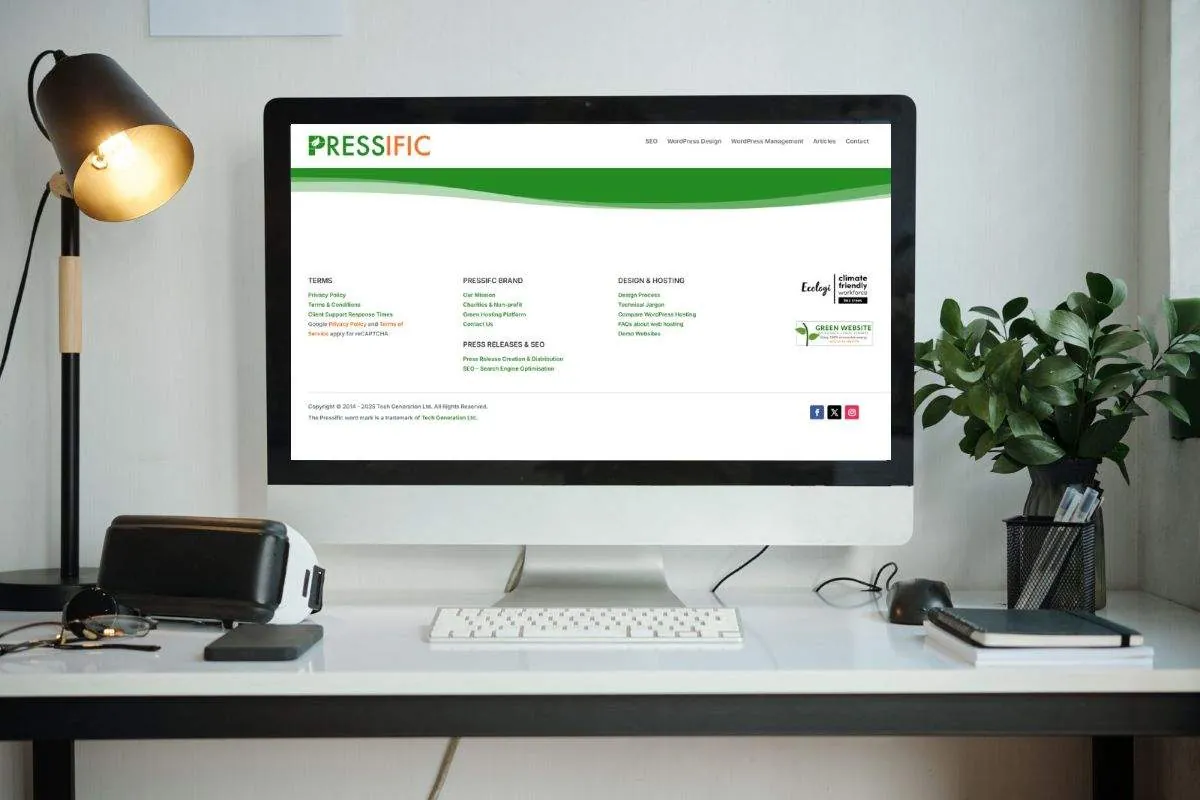
When people think of web design, they often focus on the flashy parts like the hero section, the navigation bar, or the sleek animations. But beneath every great website lies an unsung hero quietly holding things together: the footer. It is the last thing visitors see before leaving your site, yet it can do a lot to keep them engaged, informed, and even coming back.
A well-designed website footer is not just decoration; it is a strategic piece of real estate that can boost usability, credibility, and SEO.
Why the Website Footer Deserves More Attention
The footer is your website’s foundation. It is where you can reinforce your brand, simplify navigation, and build trust. Visitors who scroll to the bottom of a webpage are often looking for essential information like contact details, privacy policies, or company credibility cues because that is where they expect them to be.
Neglecting your footer design can cause frustration and lost conversions. A strong footer, on the other hand, can serve as a safety net, catching users before they leave and guiding them toward their next action.
The Anatomy of an Effective Website Footer Design
There is no single formula for the perfect footer, but most high-performing websites share certain elements that improve user experience and SEO.
1. Clear Navigation Links
Visitors who scroll to your footer are often looking for direction. Adding key navigation links like About, Contact, Blog, and Services helps users find what they need without scrolling back up. This improves accessibility and reduces bounce rates.
Internal linking in the website footer also benefits SEO. According to Google, links help search engines discover and prioritise your content.
2. Consistent Branding
A website footer design should feel like part of the same visual language as the rest of your site. Consistent colors, fonts, and tone reinforce your identity and create a polished impression. Adding your logo or tagline subtly reminds visitors who you are, even at the bottom of the page.
Think of it like a signature at the end of a letter. It ties everything together and leaves a lasting impression.
3. Contact and Trust Information
Your footer is a natural place for contact details, business addresses, and essential trust signals like SSL badges or privacy policy links. These elements reassure users that your site is legitimate and secure, which supports conversion and repeat visits.
4. Social Proof and Community
Including links to your social media accounts or recent testimonials can turn your footer into a bridge between your site and your community. It is a simple way to encourage ongoing engagement beyond a single visit.
5. Accessibility and Legal Compliance
A thoughtful footer includes accessibility links such as Accessibility Statement or Language Options. This is good UX and also helps with legal compliance.
The SEO Value of a Smart Footer
While footers are not the main event for SEO, they quietly contribute to it. The footer can strengthen your site’s internal link structure, provide consistent data to search engines, and reinforce location-based keywords for local businesses.
For example, if your business serves clients in specific regions, including your city or service area in the footer, it helps Google connect your site with local searches. It is a simple and effective way to improve visibility.
Another important technique is to include structured data markup, also known as schema, in your footer, such as organisation contact info. This helps search engines better understand key information about your site.
Google’s John Mueller has clarified that internal links in the footer are not automatically given less weight simply because of their position. What matters most is their relevance and context within the overall site structure. This means that a well-organised footer can support SEO as long as it links to genuinely important pages that enhance user experience.
Designing a Footer That Reflects Your Brand
A website footer design should never be treated as filler space. It is an opportunity to reinforce your story. The most effective footers align with your overall design philosophy. Whether your brand tone is sleek and corporate or bold and creative, your footer should echo that personality.
For example, a minimalist tech company might keep its footer simple with clean lines, muted colors, and quick-access links. A creative studio might use a more expressive layout with vibrant accents or typography that matches its visual identity. The key is consistency. Your footer should feel like a natural continuation of your entire website rather than something separate.
This balance between content, design, and tone communicates reliability, attention to detail, and trust. It helps visitors feel that every element of your website is intentional and professional.
The Hidden Power of the Final Impression
A good website footer is like a graceful exit. It leaves users feeling satisfied and clear on what to do next. Maybe they will sign up for your newsletter, explore your portfolio, or connect on social media. The footer is your last chance to invite them to stay in touch.
When done right, it does not just close the page. It completes the experience.
Conclusion
A footer is more than just a place to park legal text and social icons. It’s a silent ambassador for your brand, guiding users, supporting SEO, and leaving a lasting impression that can influence how visitors feel about your entire website.
If your footer feels like an afterthought or hasn’t been updated in years, it’s time for a refresh. A small improvement at the bottom can create a big impact at the top.
If you want a website that’s strong, secure, and built for growth, Pressific has you covered. We take care of everything your website needs, including WordPress web design and development, hosting, updates, maintenance, and optimisation, so you can focus on growing your business. With every element running smoothly, securely, and efficiently, your site leaves a professional impression from header to footer.
See how your website can be properly managed at Pressific.com.