Table of Contents
A professional website is not about decoration or trends. It is about trust, clarity, and execution. Visitors form opinions about a business in seconds, and most of that judgment is based on how professional the website looks and behaves.
A website that looks professional communicates credibility before a single word is read. It feels structured, intentional, fast, and reliable. On the other hand, even strong content can be undermined by poor layout, slow performance, or inconsistent design.
This article breaks down what actually makes a website look professional and why these elements matter for businesses that take their online presence seriously.
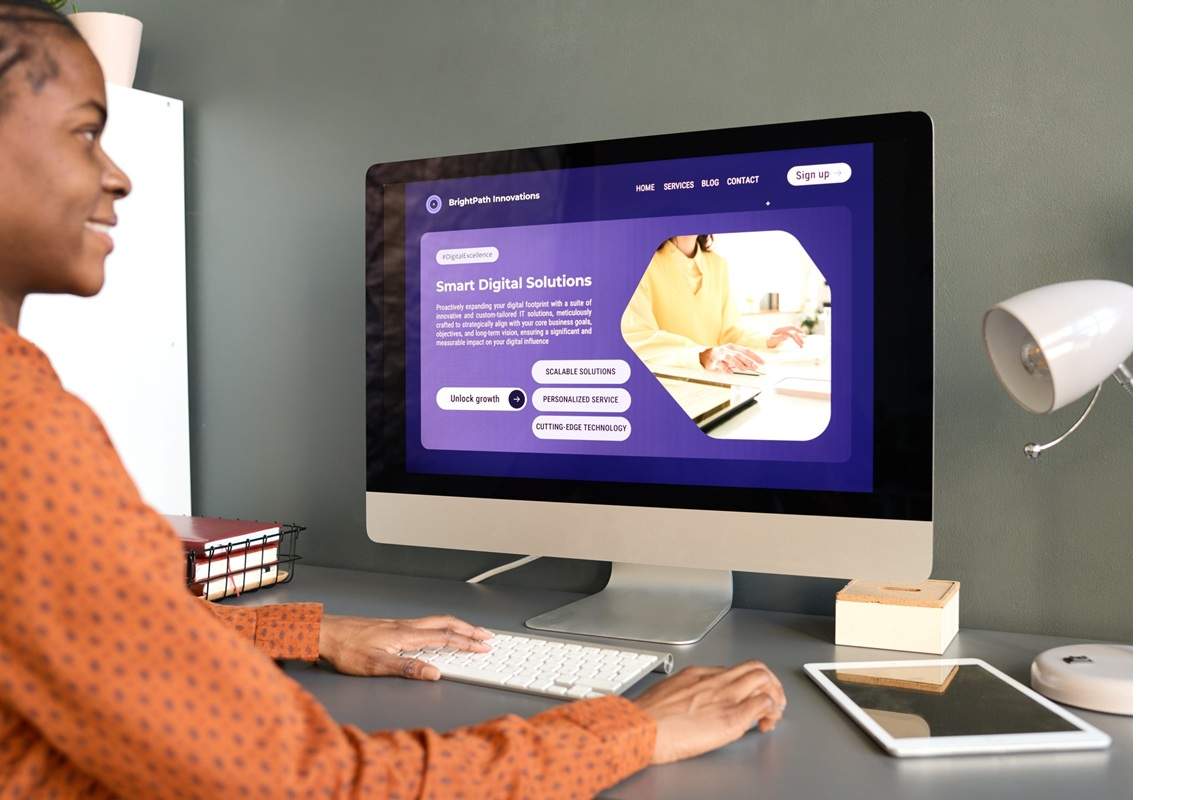
Clear Structure and Visual Hierarchy
A professional website is easy to understand at a glance. Visitors should immediately know where they are, what the site offers, and how to move through it.
Menus should be simple, predictable, and limited to what users actually need. Pages should follow a logical order, with clear headings and well-defined sections.
A website look professional when the structure supports fast comprehension without effort.
Proper Spacing and Layout Discipline
White space is a deliberate design choice. Adequate spacing between sections, readable line lengths, and consistent alignment all contribute to a professional appearance.
Crowded layouts make websites feel rushed and unfinished. Clean layouts signal confidence and attention to detail.
Typography That Prioritises Readability
Typography is one of the most overlooked aspects of a professional website.
Font Consistency and Hierarchy
Professional websites typically use one primary font family and one supporting font. Headings, subheadings, and body text should follow a clear hierarchy that guides the reader naturally through the page.
Inconsistent fonts or excessive font styles create visual noise and reduce credibility.
Readable Text Across Devices
Text should be easy to read on all screen sizes. Font size, contrast, and spacing must be adjusted for both desktop and mobile users.
When visitors struggle to read content, the website feels careless. A professional website prioritises comfort and accessibility, not just appearance.
Visual Design That Supports the Message
A professional website uses design to support communication, not distract from it.
Consistent Branding Elements
Color palettes, button styles, icons, and visual patterns should remain consistent across all pages. This consistency reinforces brand recognition and makes the website feel cohesive.
When design elements change from page to page, the site feels fragmented and unreliable.
Purposeful Use of Images
Images should add clarity or context. Low-quality visuals, generic stock photos, or oversized media that slow down the site damage professionalism.
Every visual element should earn its place on the page.
Also, read
Performance and Technical Stability
A website cannot look professional if it performs poorly.
Fast Load Times Matter
Speed affects both user experience and perception. According to Google, slow-loading pages significantly increase bounce rates and reduce trust.
A professional website loads quickly, responds smoothly, and feels technically sound.
No Broken or Outdated Elements
Broken links, missing images, outdated plugins, or malfunctioning forms signal neglect. Professional websites are actively maintained to prevent these issues from appearing in the first place.
This level of consistency requires structured management and reliable infrastructure. It is one of the reasons businesses choose managed WordPress environments.
Mobile Responsiveness Is Essential
A professional website must work flawlessly on mobile devices.
More than half of global web traffic now comes from mobile users, and Google prioritises mobile-first indexing.
Mobile-Friendly Interaction
Buttons should be easy to tap, text should be readable without zooming, and layouts should adapt naturally to smaller screens. A site that only works well on desktops does not meet modern professional standards.
Clear Messaging and Polished Content
Design alone does not make a professional website. Content quality plays a critical role.
Direct and Confident Language
Visitors should understand the value of the business within seconds. Professional websites avoid vague statements and communicate clearly using straightforward language.
Error-Free Writing
Spelling mistakes, grammar errors, and awkward phrasing reduce credibility instantly. These issues suggest a lack of attention to detail.
A professional website treats written content with the same level of care as design and development.
Security and Trust Signals
Trust is a core component of professionalism.
HTTPS and Data Protection
A professional website uses HTTPS and follows basic security best practices. Browsers actively warn users when sites are not secure, which negatively impacts trust even before a page loads.
Clear privacy policies, secure forms, and visible trust indicators reassure visitors that their data is handled responsibly.
Professional Websites Focus on Longevity
Trends change quickly. Professional websites are built to last.
Instead of chasing design fads, a professional website focuses on clarity, usability, and stability. These qualities age well and require fewer disruptive redesigns over time.
Also, read
Final Thoughts
A website looks professional when it is not only well designed but properly managed behind the scenes. Structure, performance, security, and consistency all require continuous attention, not a one-time setup.
This is where many websites fall short. Without active maintenance, professional websites slowly degrade. Pages slow down, updates fall behind, security risks increase, and small issues compound into visible problems.
At Pressific, we support professional websites through structured WordPress management, reliable hosting infrastructure, performance optimisation, security updates, backups, and ongoing technical oversight. Our focus is on keeping websites stable, fast, secure, and professional long after launch.
A professional website is not just how it looks on day one. It is how it performs every day after. That is the difference between a website that simply exists and one that consistently represents a business at a professional standard.