Table of Contents
Internal linking for SEO is one of the most powerful yet underestimated elements of website optimisation. While external backlinks often dominate SEO discussions, internal links quietly determine how search engines understand your site structure, how authority flows between pages, and how visitors move through your content.
For any website that regularly publishes content, internal linking is not an optional enhancement. It is structural infrastructure. Without a clear internal linking strategy, even high-quality pages can struggle to gain visibility because search engines lack context and connection signals.
In this guide, we examine the benefits of internal linking, outline a practical strategy for implementing it effectively, and share best practices that support long-term SEO performance, particularly for growing WordPress websites.
What Is Internal Linking in SEO?
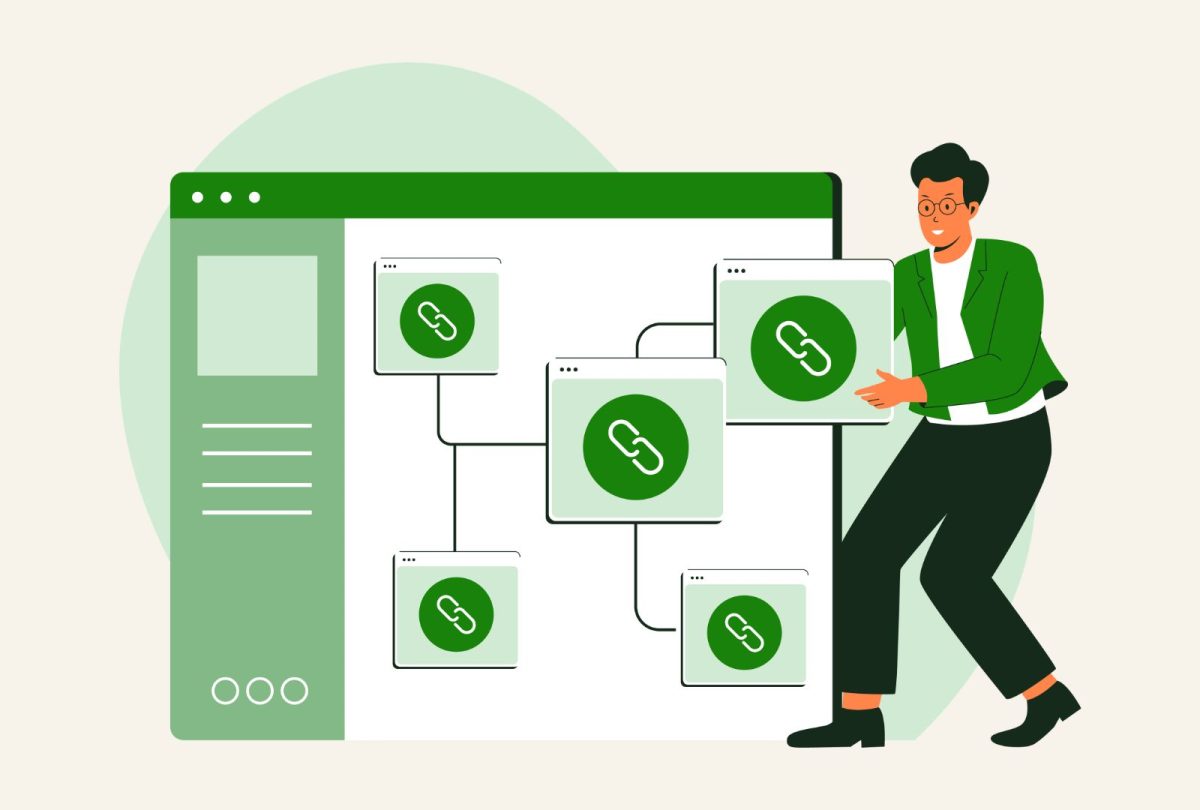
Internal links are hyperlinks that connect one page of your website to another page within the same domain. Unlike external backlinks, internal links are fully controlled by your team, which makes them one of the most strategic SEO assets available.
From a technical standpoint, internal links help search engines discover content, interpret site hierarchy, and understand the relationships between pages. From a user experience standpoint, they provide logical navigation paths that allow visitors to explore related information without friction.
Google’s documentation emphasises that link architecture, or the way internal links are structured across a website, is a foundational component of effective site design. It directly influences Googlebot’s ability to discover and index pages while also shaping how easily users navigate and interact with content. A well-planned internal linking structure, therefore, supports both search visibility and usability.
In practical terms, internal links tell search engines which pages matter, how topics connect, and where authority should flow.
Why Internal Linking Matters for SEO Performance
Improves Crawlability and Indexation
Search engines rely on links to discover content. Pages that lack internal links pointing to them can become orphaned, meaning they exist within your CMS but are rarely crawled or indexed.
A structured internal linking system ensures that important pages remain accessible within a reasonable number of clicks from the homepage. As WordPress websites expand through blog posts, landing pages, and resource libraries, maintaining this accessibility becomes increasingly important.
When internal links are implemented intentionally, search engines can crawl your site more efficiently, which often leads to faster indexation and stronger visibility for new content.
Distributes Authority Strategically
Every indexed page carries some degree of authority. Internal links allow you to pass that authority from stronger pages to newer or strategically important ones.
This distribution strengthens priority pages without requiring external backlinks for every piece of content.
By linking from established, high-performing pages to deeper content, you reinforce your site’s overall structure and guide ranking signals where they are most valuable.
Strengthens Topical Relevance
Internal linking plays a central role in semantic SEO. When related pages consistently link to one another using relevant anchor text, search engines gain a clearer understanding of your expertise within a topic area.
For example, if multiple articles discussing WordPress performance link back to a central optimisation guide, you are creating a content cluster that signals depth and authority. Over time, this interconnected structure helps your website compete across broader keyword groups rather than relying on isolated rankings.
This strategy is particularly effective for subject areas such as website maintenance, WordPress security, performance optimisation, SEO strategy, and hosting infrastructure. Each supporting article reinforces the credibility of the core topic.
Enhances User Experience and Engagement
Internal linking is not purely technical. It directly impacts how visitors experience your website.
When users encounter relevant internal links within content, they are naturally encouraged to explore additional resources. This improves session duration, reduces bounce rates, and increases the likelihood of meaningful engagement.
From an operational perspective, well-placed internal links also reduce friction by guiding visitors to related documentation, explanatory content, or deeper insights before they need to seek assistance. In this way, internal linking supports both SEO metrics and overall site efficiency.
Building an Effective Internal Linking Strategy
Internal linking delivers the strongest results when it is planned rather than added randomly during publishing. A structured approach ensures that authority flows logically and that important pages are consistently reinforced.
Below is a practical framework that works well for scalable WordPress websites.
Establish Clear Content Pillars
Begin by identifying your core topics and creating comprehensive pillar pages around them. These pages should serve as authoritative resources that anchor broader subject areas.
Examples may include WordPress optimisation, website maintenance best practices, SEO fundamentals, or performance management.
Every related article should link back to its corresponding pillar page, while the pillar page should link outward to supporting resources. This creates a clear hierarchy that helps search engines interpret topic relationships and guides users through structured learning paths.
Use Clear and Relevant Anchor Text
Anchor text provides context for both users and search engines. When internal links use wording that reflects the subject of the destination page, they strengthen semantic signals and improve clarity.
Rather than treating anchor text as an afterthought, it should be considered part of your content strategy. Relevant anchor phrasing helps search engines interpret page relationships more accurately while also setting clear expectations for users.
Even incremental improvements in anchor clarity can contribute to stronger structural understanding over time.
Keep Priority Pages Accessible
Important pages should typically be reachable within three clicks from the homepage. If users must navigate through multiple layers of archives or subcategories, search engines will encounter similar inefficiencies.
Navigation menus, footer links, and category structures play a quiet but critical role in supporting internal link architecture. When organised effectively, they ensure that high-value pages remain visible and accessible.
Leverage High-Performing Pages
Pages that already receive traffic or rank well can be used strategically to strengthen other areas of your site.
Linking from high-performing content to newer or priority pages accelerates discovery and distributes authority more effectively.
Regularly reviewing analytics data helps identify opportunities where internal links can reinforce weaker sections of your website.
Internal Linking Best Practices
Sustainable internal linking requires consistency and periodic review. As your content library grows, your linking structure should evolve alongside it.
Key best practices include:
- Integrating links naturally within relevant content sections
- Avoiding excessive or irrelevant linking
- Ensuring every priority page has at least one internal link pointing to it
- Auditing for broken links and orphaned pages
- Updating older posts to reference newer content
- Maintaining consistent URL structures
On professionally managed WordPress websites, internal linking reviews are often incorporated into broader maintenance cycles that include performance monitoring, SEO audits, and technical updates. This ongoing oversight prevents structural decay and preserves long-term ranking strength.
Internal Linking and WordPress: Operational Considerations
WordPress simplifies publishing but does not automatically enforce structural discipline. Over time, many websites accumulate fragmented content, redundant categories, and disconnected pages.
For this reason, internal linking should be integrated into editorial workflows rather than treated as a post-publication task. Each new article should connect to existing relevant resources, and established content should be periodically refreshed with links to new material.
Also, read
Final Thoughts
Internal linking for SEO is not a minor optimisation detail. It shapes how search engines interpret your website, how authority flows between pages, and how users navigate your content. When executed strategically, internal links strengthen topical relevance, improve crawl efficiency, and create structured user journeys that support long-term growth.
Unlike external factors that sit outside your control, internal linking is entirely manageable. With deliberate planning and ongoing maintenance, your internal link architecture can evolve alongside your content strategy, ensuring that new pages are supported by existing authority and older pages remain contextually connected.
If maintaining internal link structure, performance optimisation, and WordPress governance feels like another operational layer to manage, that is precisely where Pressific provides value. We help WordPress websites remain structurally sound, technically optimised, and built for scale so that your SEO efforts are supported by a stable foundation rather than limited by it.