Table of Contents
Running a WordPress website goes beyond creating compelling content or appealing designs. One of the most critical yet often overlooked aspects of website management is keeping your plugins updated. Regular plugin updates aren’t just about accessing new features; they play a major role in protecting your business online. In this article, we’ll explore the key benefits of updating plugins, why it matters for your website security, and how it supports your business growth.
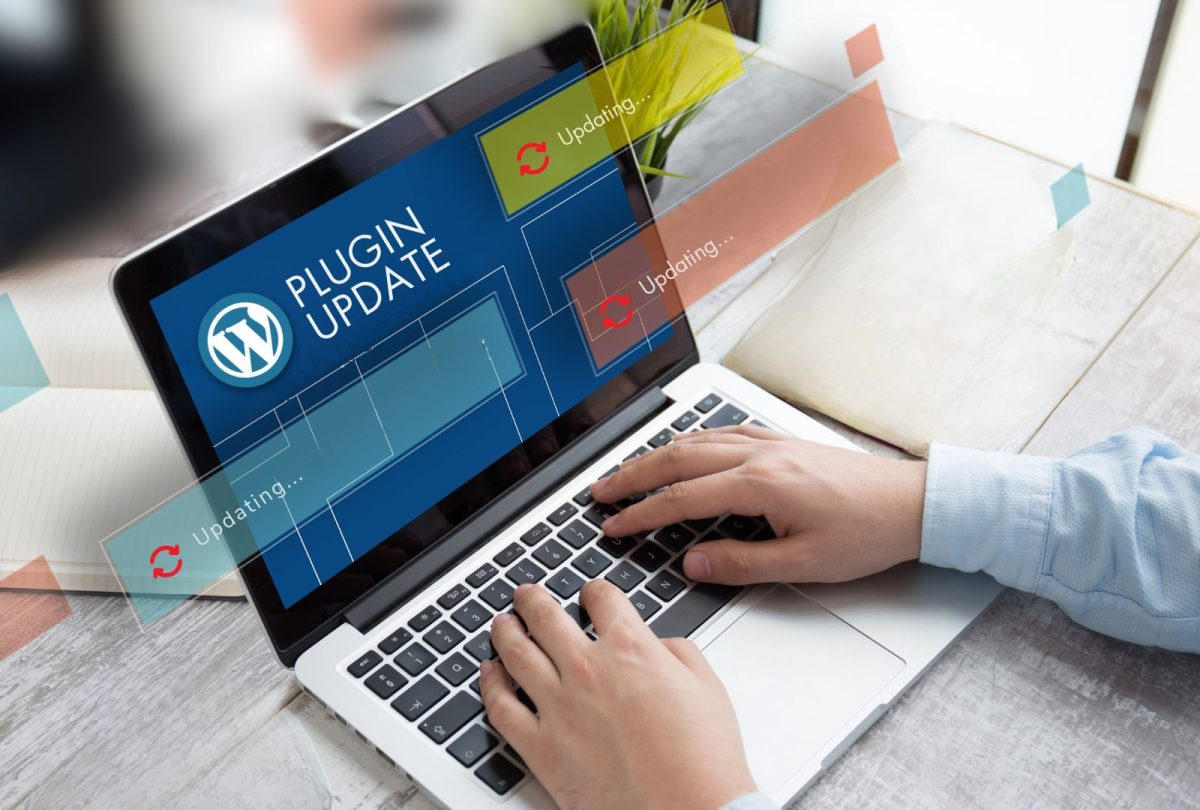
The Risks of Outdated Plugins
Even a single outdated plugin can create serious security risks. Hackers actively scan websites for known plugin vulnerabilities to inject malware, steal data, or take control of a site. According to Wordfence, plugin vulnerabilities are among the top reasons WordPress sites get hacked.
The real risk for businesses is not missing updates but applying them without proper validation and recovery safeguards.
Outdated plugins can also cause compatibility issues with the latest WordPress core updates or other plugins, leading to site errors, slow performance, or downtime. For businesses, this can translate into lost revenue, frustrated customers, and reputational damage.
How Plugin Updates Strengthen Your Business Website
Regular plugin updates provide multiple benefits that directly impact your website’s security, performance, and overall business health.
1. Patch Security Vulnerabilities
Plugin updates fix known security flaws that could be exploited by attackers. Keeping plugins up-to-date protects sensitive customer data and business information, reducing the risk of costly breaches. As Sitelock notes, outdated plugins can leave a website exposed to cyberattacks.
Pressific manages plugin updates using staged deployments, active monitoring, and full change logging rather than one-click updates.
2. Ensure Compatibility and Stability
WordPress frequently updates its core software. Updated plugins maintain compatibility with these updates and with other plugins, ensuring your website functions smoothly. This prevents crashes, errors, and performance issues that could disrupt business operations.
Each update is tested in a staging environment, deployed during controlled windows, and rolled back immediately if issues appear.
3. Improve Website Performance
Plugin updates often include optimisations that make your site faster and more efficient. A well-performing website improves user experience, reduces bounce rates, and supports higher search engine rankings, a key factor for business growth.
4. Protect Your Brand Reputation
A hacked or malfunctioning website can quickly erode customer trust. By keeping your plugins updated, you maintain a secure, professional online presence, reinforcing your brand’s reliability. Studies show that consumers are less likely to trust businesses with insecure websites.
In practice, most WordPress outages we encounter are caused by unmanaged updates and plugin conflicts rather than direct attacks.
5. Support Long-Term Business Growth
Up-to-date plugins create a stable foundation for expansion. Whether you’re adding new features, increasing site traffic, or expanding your content, updated plugins ensure your website can handle growth without compromising security or performance.
Also, read
Best Practices for Maintaining Plugins
While the focus is on benefits, it’s important to apply updates carefully to avoid conflicts or downtime:
- Update Regularly: Check for plugin updates weekly or bi-weekly.
- Test Before Going Live: Use a staging environment to verify plugin updates work without issues.
- Prioritise Critical Plugins: Focus on plugins that handle sensitive data or website functionality first.
- Stay Informed: Follow developer release notes to understand what changes each update brings.
Revenue-generating and client-facing websites require a far stricter update process than informational or personal sites.
Automatic updates without supervision often introduce downtime on complex WordPress installations.
Partnering With Experts for Peace of Mind
Managing plugin updates effectively requires experience and attention to detail. Partnering with a trusted provider like Pressific ensures your website remains secure, up-to-date, and optimised for optimal performance.
Plugin updates are treated as part of our managed infrastructure stack, not an isolated maintenance task.
By proactively maintaining your website, you protect your business, enhance user experience, and create a strong foundation for future growth.
Conclusion
Regular plugin updates are not a routine maintenance task; they are a critical part of managing business risk, website uptime, and operational continuity. While outdated plugins introduce security vulnerabilities, poorly managed updates can be just as damaging, leading to conflicts, downtime, and lost revenue.
For revenue-generating websites, updates must be handled within a controlled, documented process that prioritises stability, validation, and rapid recovery when issues occur.
With Pressific, updates are handled predictably, issues are traceable, and accountability is clearly defined.
Managed updates prevent the far higher cost of emergency fixes, lost enquiries, and avoidable downtime.
This ensures your website remains a reliable business asset rather than an operational liability.